
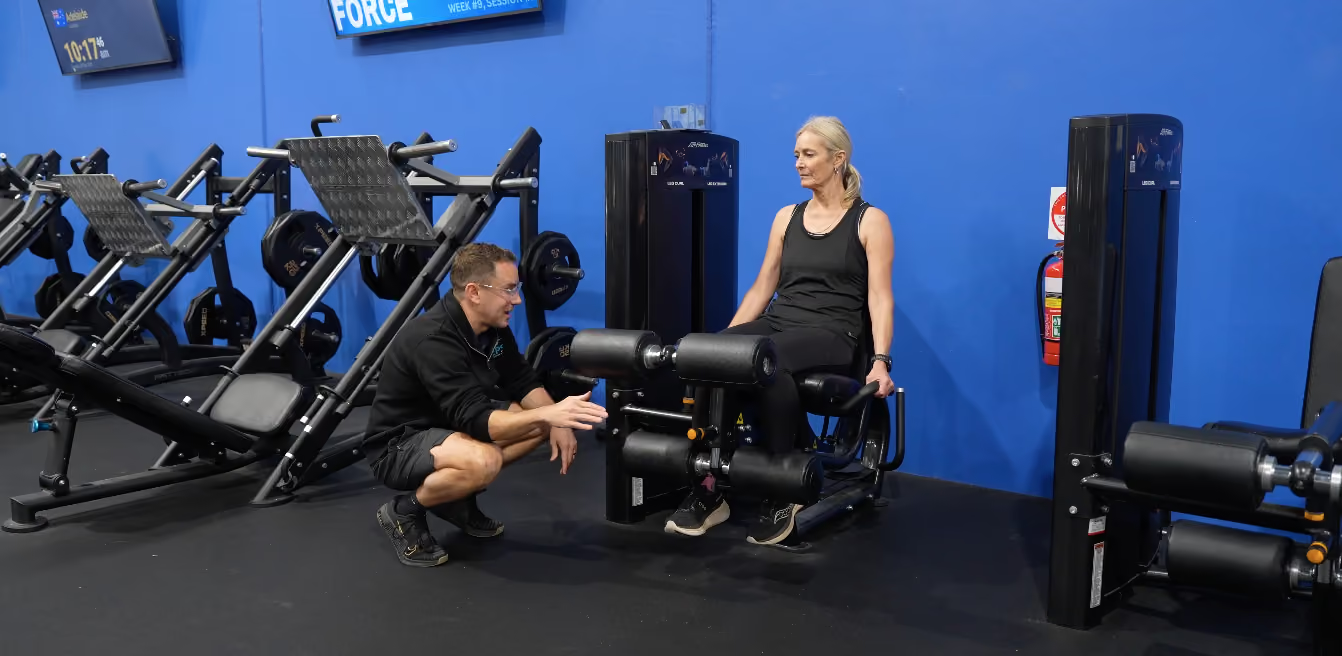
Exercise support built around your health and the life you want to live

Most people do not need more willpower. They need the right support system.
Exercise advice can feel confusing when symptoms change, energy is limited or you have been told to “be more active” without being shown what that should look like for you.
SEPSA starts with your health, your current capacity and the activities that matter to you. We then build an exercise plan that is appropriate, understandable and able to progress as your confidence and capacity grow.
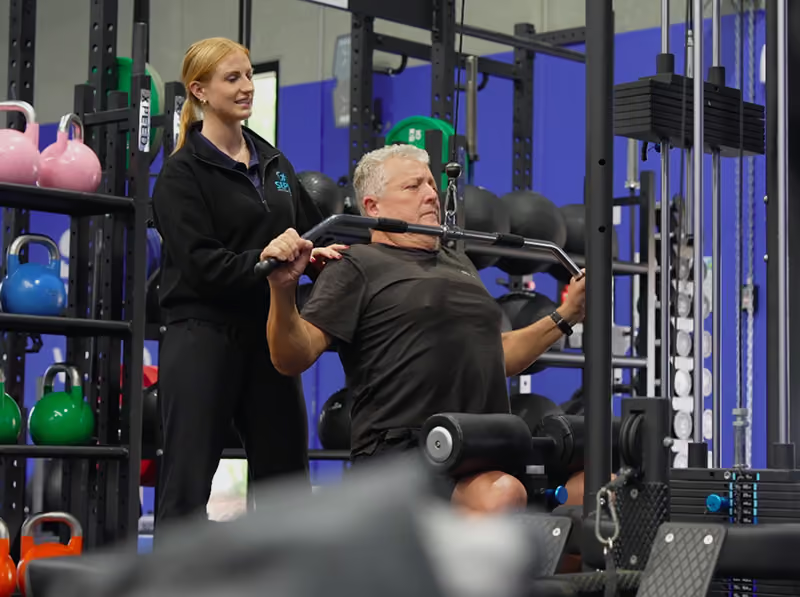
Health areas Exercise Physiology supports
Cardiovascular and respiratory health
Appropriate strength and conditioning to support function and fitness within your clinical context and medical guidance.
Musculoskeletal health
Programs for arthritis, osteoporosis, persistent pain and reduced physical capacity.
Neurological conditions and disability
Individual exercise to support strength, mobility, function, confidence and participation where within scope.
Cancer and treatment recovery
Exercise support that accounts for fatigue, deconditioning, treatment effects and changing capacity in collaboration with your healthcare team.
Mental health and reduced confidence
A structured, supportive entry into movement when symptoms, stress or previous experiences have made exercise difficult.
This is not an exhaustive diagnostic list and does not confirm suitability. The initial conversation and assessment determine whether SEPSA, another professional or a coordinated approach is the best next step.
What the plan can help you build
Strength & physical capacity
Fitness & energy tolerance
Balance, mobility & function
Understanding & self-management
Confidence with exercise
Long-term participation
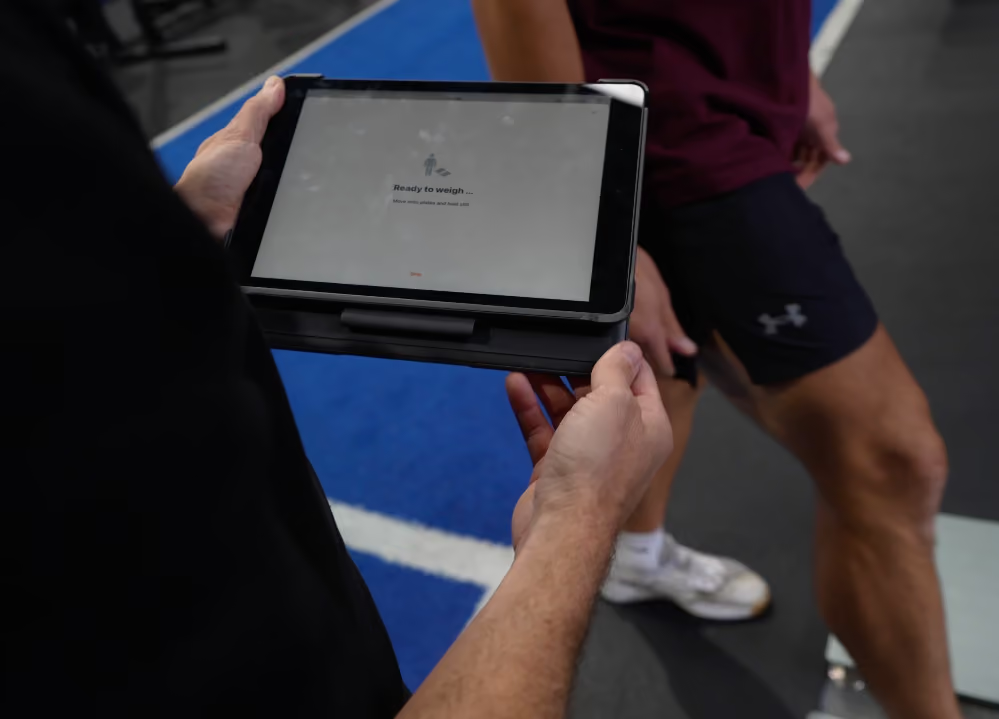
Exercise prescribed with your health context in view.
Accredited Exercise Physiologists are trained to assess exercise capacity and prescribe exercise for people living with chronic health conditions, injury and disability. At SEPSA, that clinical foundation is combined with practical coaching so the plan can work beyond the appointment room.
- Individual assessment rather than a generic condition-based template.
- Clear starting points and progressions based on your response.
- Exercise choices that account for symptoms, medications, treatment and daily demands where relevant.
- Communication with doctors, allied health professionals, support coordinators or other stakeholders with your consent.
Choose the support pathway that fits you
In-person Athlete Development — Adelaide
- Injury concerns
- Return-to-sport planning
- Physical assessments
- Face-to-face support
- Strength testing
SEPSA On-The-Go athlete support (online)
- Australia-wide athletes
- Athletic development
- Ongoing accountability
- Performance support
- Rehabilitation integration
How it works
- Share your health context, current challenges and the activities you want to improve.
- Complete an individual assessment of capacity, confidence, relevant symptoms and practical barriers.
- Agree on a clear starting plan and the first meaningful goals.
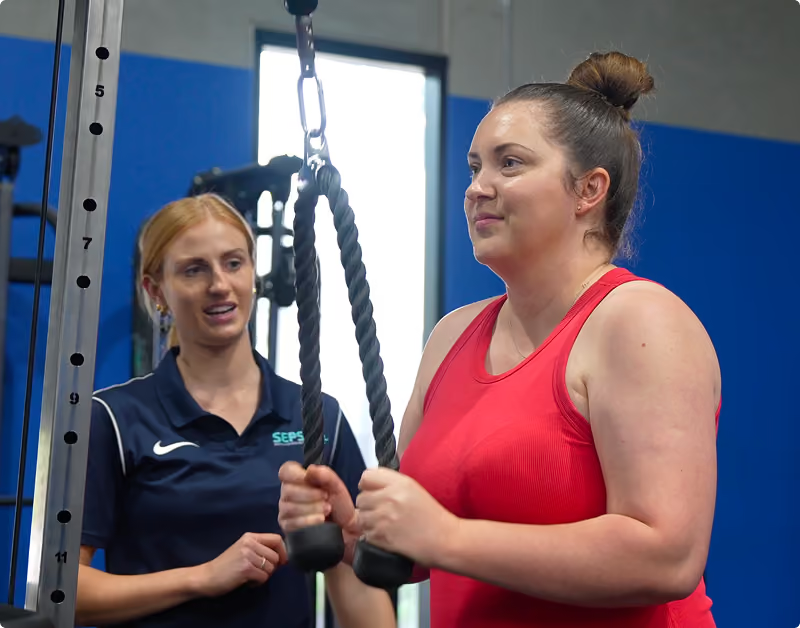
- Exercise with the right level of supervision, guidance and accountability.
- Review your response, progress the plan and build greater independence over time.

FAQs
Common questions we’re asked around referrals.
Exercise Physiologists work with a broad range of chronic health conditions, injuries and disabilities. Suitability depends on your individual presentation, current medical advice and goals, so the first step is a conversation rather than matching yourself to a list.
No referral is required for private appointments. Medicare, DVA, NDIS, Return to Work and other funded pathways may require a referral, service agreement or approval before sessions begin.
Many private health policies include Exercise Physiology, but rebates and limits vary. Check your cover directly with your insurer and ask SEPSA what appointment information you may need.
That is an appropriate reason to seek support. The assessment identifies a realistic starting point and the program can begin with small, achievable amounts of exercise.
Yes, with your consent. SEPSA can consider existing reports and recommendations and communicate with relevant professionals when it improves safety, clarity or continuity.
It can be appropriate for many people, but not every presentation or environment. SEPSA will consider your health, current capacity, support needs and access to equipment before recommending remote delivery.
Your plan should be reviewed when symptoms, treatment or capacity change. Unexpected or concerning symptoms may require medical review before exercise progresses.
No. The environment can be matched to your needs and available resources. Depending on the service, exercise may take place in a clinic gym, at home, outdoors or in your own facility.
Start from where you are. Build towards what matters.
Tell us about your health, your current capacity and the parts of life you want exercise to support. We will help you choose the most appropriate next step.