
>> Injury, Pain and Rehabilitation
Rehabilitation built around returning to what matters
Individualised Exercise Physiology for persistent pain, recurring injuries and rebuilding the capacity to return to exercise, work, sport and daily life. In-person in South Australia. Online across Australia.
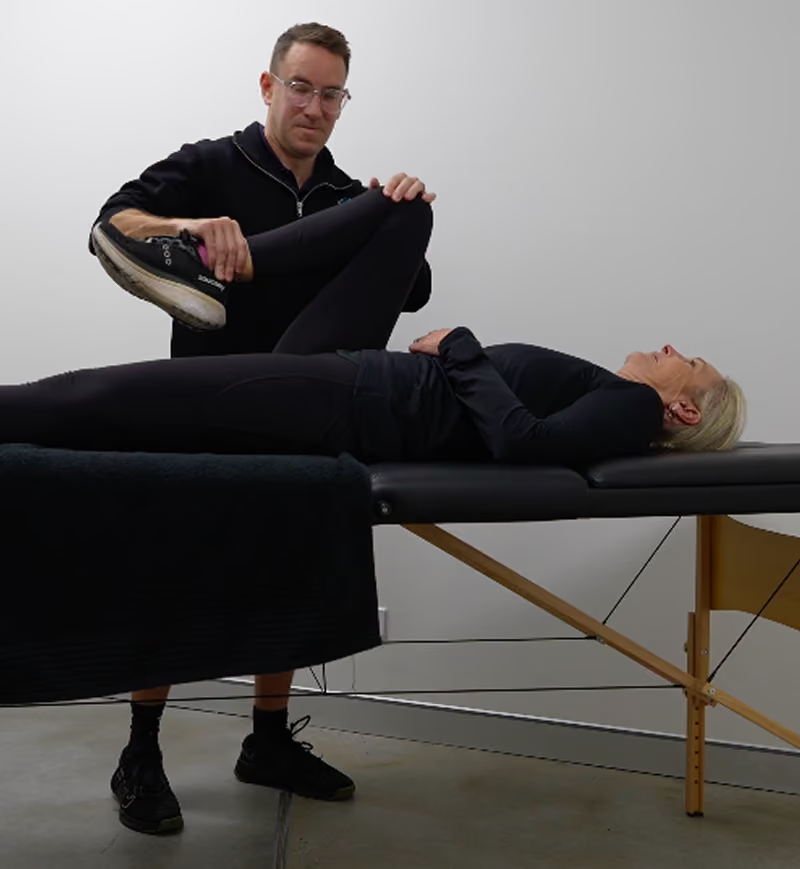
Exercise physiologist led development

In-person & online coaching
Injury rehabilitation
Individualised programming
Strength & conditioning
Performance coaching
Exercise physiologist led development
In-person & online coaching
Injury rehabilitation
Individualised programming
Strength & conditioning
Performance coaching
You may be here because…
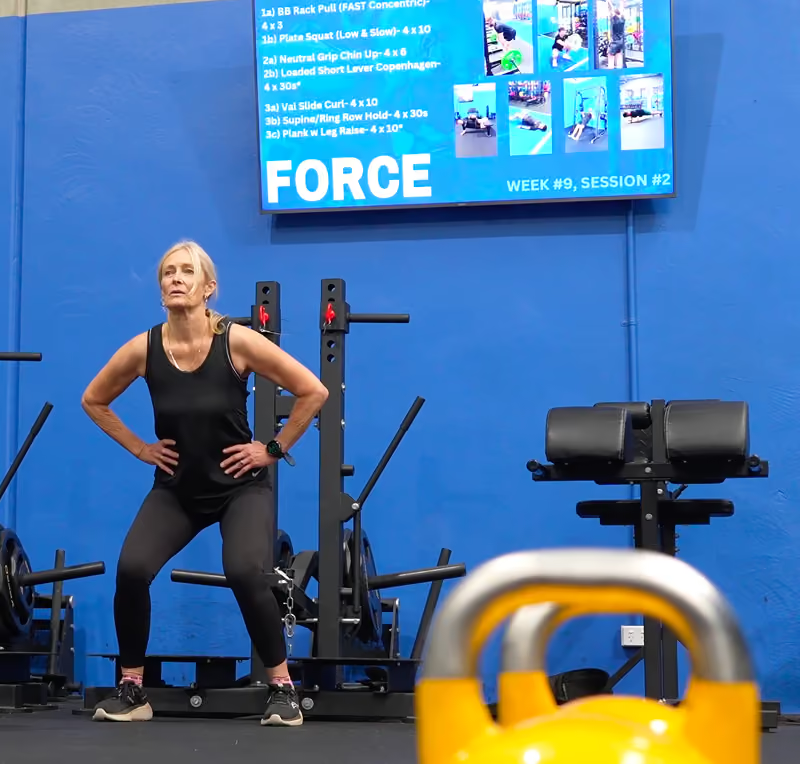
Pain keeps returning when training, work or life gets busier.
You have finished early rehabilitation but do not feel ready for normal activity or sport.
You are unsure how much exercise is helpful—and how much is too much.
A previous injury has changed the way you move, train or trust your body.
You need strength and conditioning that respects your medical or injury history.
You want a clear return-to-running, return-to-sport or return-to-work pathway.
Most people already know exercise is important for their health.
The hard part is staying consistent when health concerns, pain, fatigue, busy schedules, uncertainty or life responsibilities get in the way.Many people are not limited by motivation. They are limited by confidence, support, structure and knowing where to start.
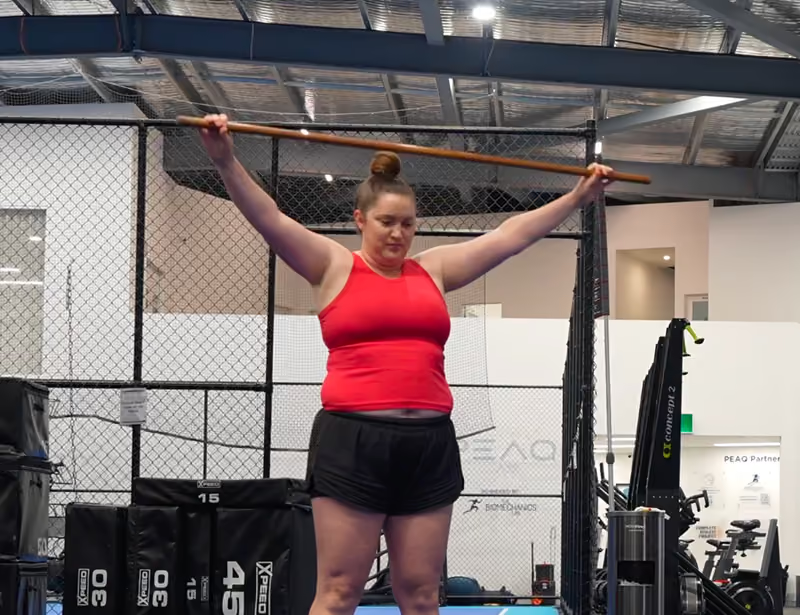

Common frustrations we hear include:
- I’m not sure what exercise is safe or appropriate for me.
- I start well, but I struggle to stay consistent.
- I feel overwhelmed by conflicting health and fitness advice.
- I want to get stronger, but I don’t know what to do.
- Pain or health concerns keep interrupting my progress.
- I need accountability, but I don’t want a generic fitness program
What’s included

Individualised programs

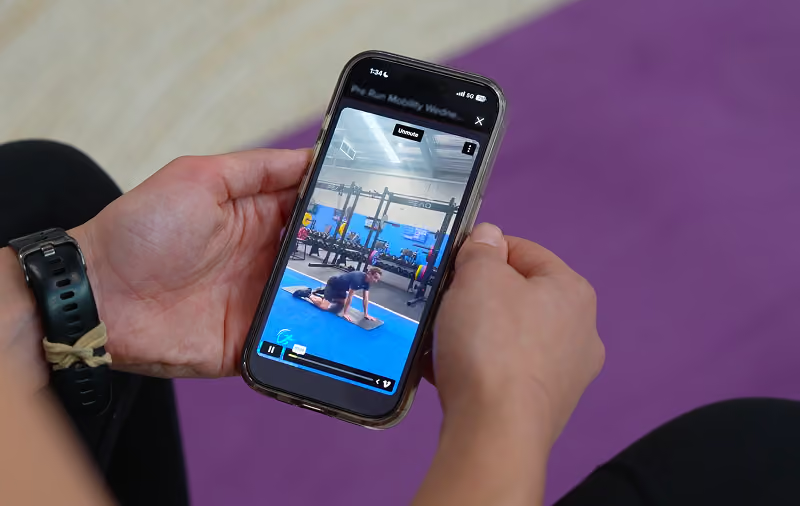
App-delivered training

Regular check-ins

Ongoing adjustments

Rehabilitation integration

Human accountability

Choose the level of support that matches your goals, confidence and lifestyle
Every SEPSA OnTheGo pathway is individualised. This first step helps make sure your plan is built around where you are now, not where a generic program assumes you should be.
The difference between packages is the level of support, accountability, communication and guidance you need.
Some people simply need a clear plan and light accountability. Others need closer support, more regular communication or greater guidance around health conditions, pain, confidence and consistency.

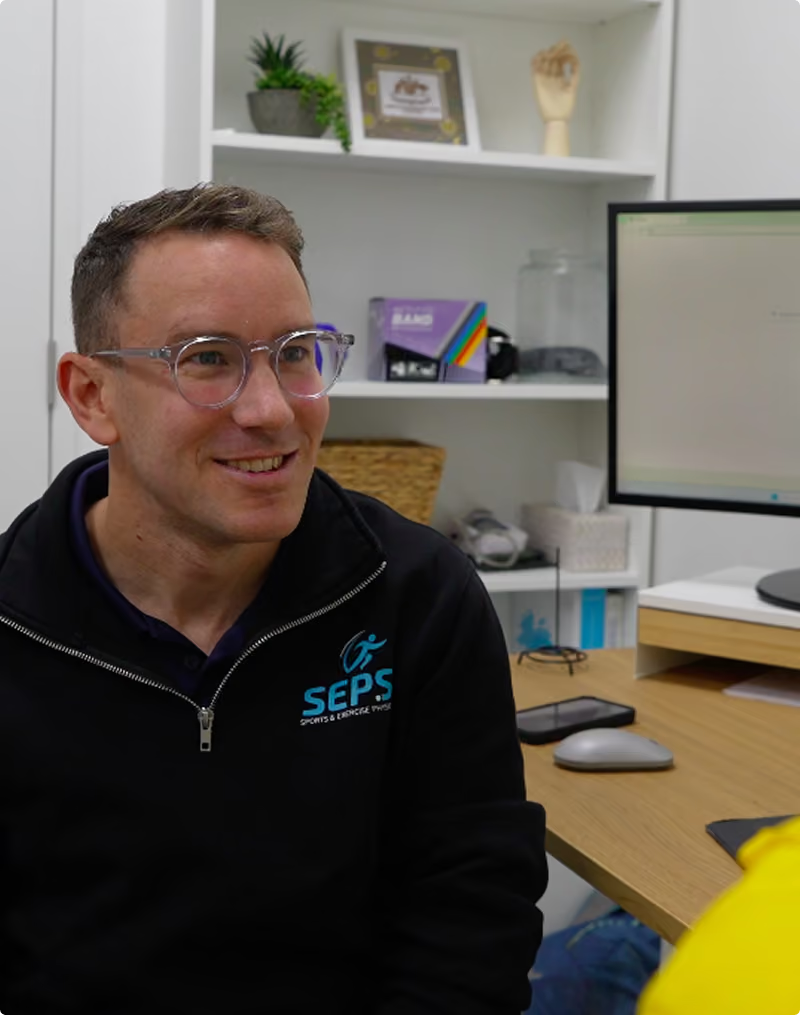
Every SEPSA OnTheGo pathway begins with an initial Exercise Physiology assessment
This helps us understand your health history, goals, current capacity, confidence, barriers and the type of support you need.
From there, we build your first phase of programming and help you get set up inside the app.
- Health history review
- Goal setting
- Exercise and injury history
- Lifestyle and barriers review
- Strength, mobility and capacity planning
- App onboarding
- First phase programming
- First 2 weeks of support included
Choose your level of support
Strength & mobility
- Individualised strength & mobility programming
- Home OR gym options
- Fortnightly program updates
- Monthly coaching review
- Messaging support during business hours
- App-delivered programming
- Exercise Physiologist oversight
Performance coaching
- Individualised programming
- Strength integration
- Endurance programming
- Weekly program updates
- Weekly coaching check-ins
- Load monitoring and progress tracking
- Messaging support
- Exercise Physiologist support
- App access
Ultimate performance
- Rehabilitation integration
- Priority support
- Greater communication frequency
- More frequent program adjustments
- Video review and technique feedback
- Advanced planning support
- Higher accountability touchpoints
Feedback from our clients
FAQs
Common questions we’re asked around referrals.
No referral is required for private appointments. A referral or approved plan may be needed for Medicare, DVA, NDIS, Return to Work or other funded pathways. Contact SEPSA if you are unsure what applies to you.
Not always. An Exercise Physiologist can assess your exercise capacity and prescribe an appropriate plan, but does not replace medical diagnosis. If your presentation needs further investigation or contains a red flag, SEPSA will recommend the appropriate next step.
Yes. Rehabilitation is often stronger when the team is aligned. With your consent, SEPSA can work from existing advice, reports and restrictions and communicate with relevant treating professionals.
We discuss your symptoms, history, goals and current activity, then assess the movements and capacities most relevant to your situation. You leave with a clearer starting point and a recommended plan.
Some symptoms can fluctuate as activity changes. Your program is designed around an appropriate starting point, clear response guidelines and gradual progression. If your response is unexpected, the plan is reviewed rather than simply pushed forward.
Often, yes. Online delivery can work well when you can move safely in your environment and do not require hands-on support. SEPSA will help determine whether online or in-person care is the better fit.
There is no responsible one-size-fits-all time frame. It depends on your history, current capacity, consistency, goals and the demands you need to return to. Your plan should make the next milestone clear even when the full time frame is uncertain.
Yes. SEPSA can help bridge the gap between clinical rehabilitation and the strength, conditioning, speed, change-of-direction or training-load demands of sport when it is appropriate to do so.
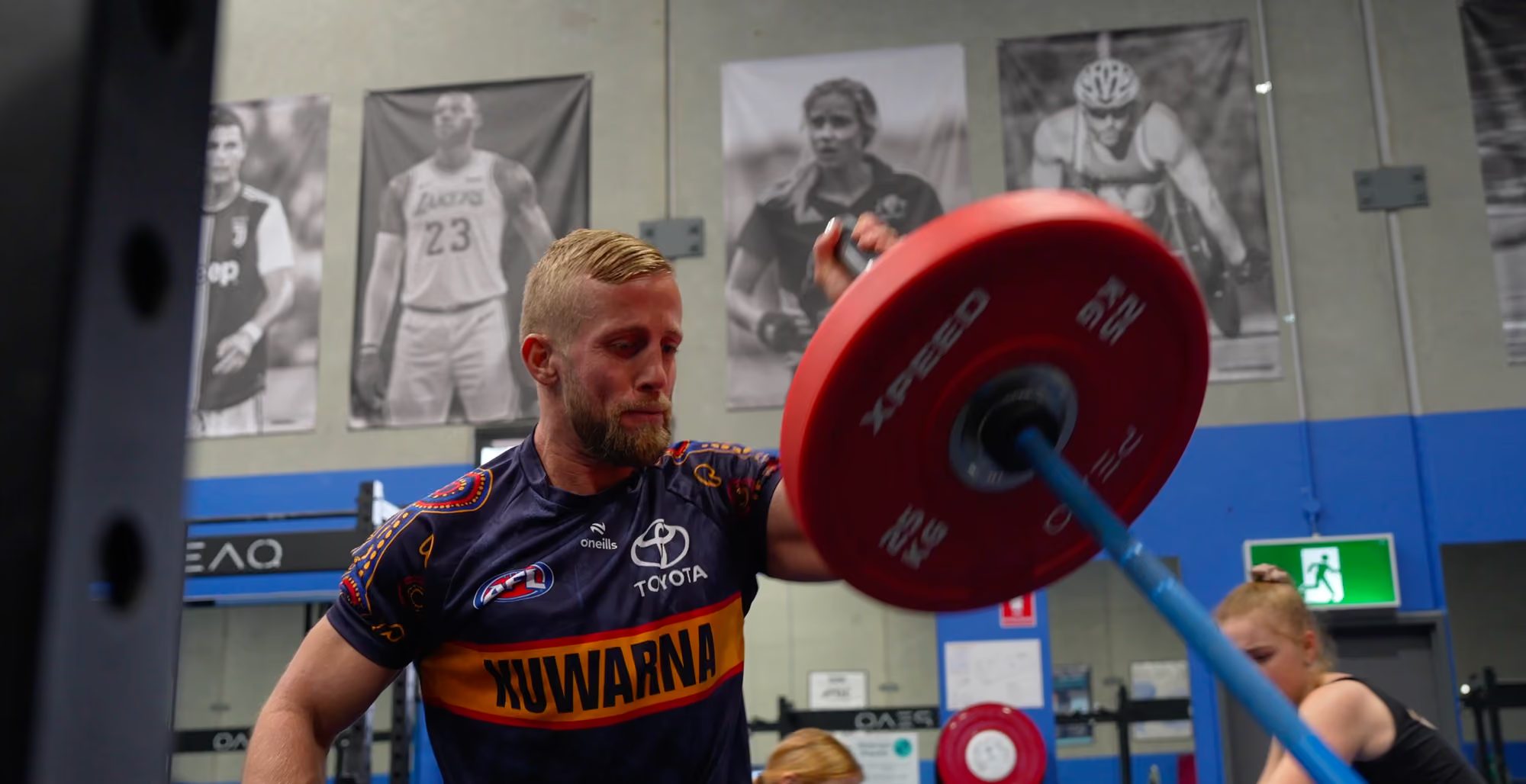
Ready to build better health with the right support?
Start with an Exercise Physiology assessment and receive a personalised plan built around your health, goals, lifestyle and current capacity.